Why Dakhla is Morocco's New Foreign Investment Frontier

Othman Essalhi
Founder & Principal Broker
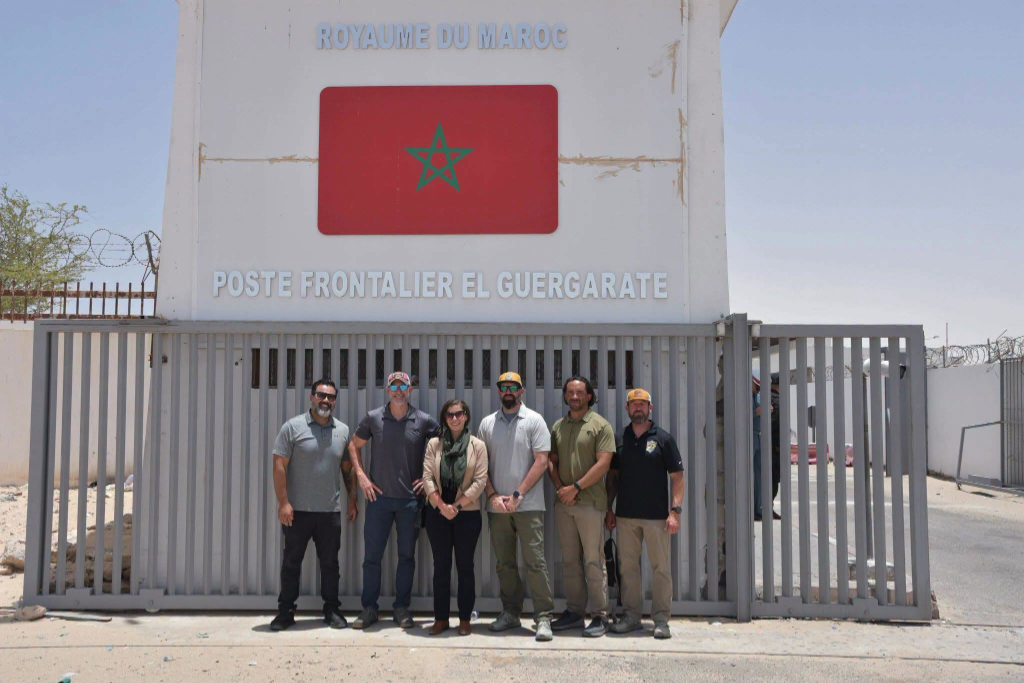
Demographic shifts, structural government investments, and highly lucrative tax incentives are combining to make Dakhla the most exciting real estate market in North Africa for international capital.
Exceptional Fiscal Incentives
To accelerate development in the Southern Provinces, Morocco has established a highly favorable fiscal framework. For real estate developers and individual buyers, this translates to lower transaction fees and significant tax savings:
- Exemption from Corporate Tax for businesses operating in designated economic zones.
- No Inheritance Tax on properties registered in Morocco, making it a highly attractive estate planning asset.
- Exemption from Income Tax on rental yields for the first 5 years of operation.
Demographics & Urban Growth
Dakhla’s population is growing at over three times the national average, driven by public sector decentralization, agricultural expansions, and the expanding tourism and maritime sectors. The city is growing northward, with neighborhoods like Tawrta, Al Safaa, and PK40 transforming from empty desert plots into high-end villa communities and commercial blocks.
Repatriation of Funds
Morocco provides a clear, legally backed "convertibility regime" for foreign investments. When a foreign investor buys real estate using foreign currency, they have the guaranteed right to repatriate the initial capital and all capital gains out of Morocco, tax-cleared, at any time. This offers institutional-grade security for peace of mind.
Secure Your Investment in Dakhla’s Future
With the construction of the Dakhla Atlantic Port and tax-free incentives, interest in Dakhla real estate has never been higher. Freehold beachfront plots and high-yield residential opportunities are selling out rapidly.
Related Articles
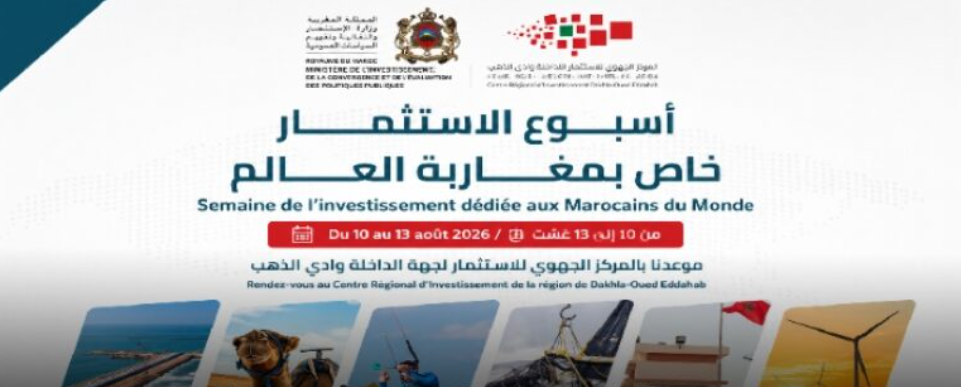
Dakhla Launches 2nd Edition of Investment Week for Moroccans of the World: A Premier Gateway for Diaspora Capital
From August 10 to 13, 2026, the Regional Investment Center (CRI) of Dakhla-Oued Ed-Dahab hosts the 2nd Edition of "Investment Week for Moroccans of the World", unlocking high-yield real estate, eco-tourism, and logistics opportunities.
Read Article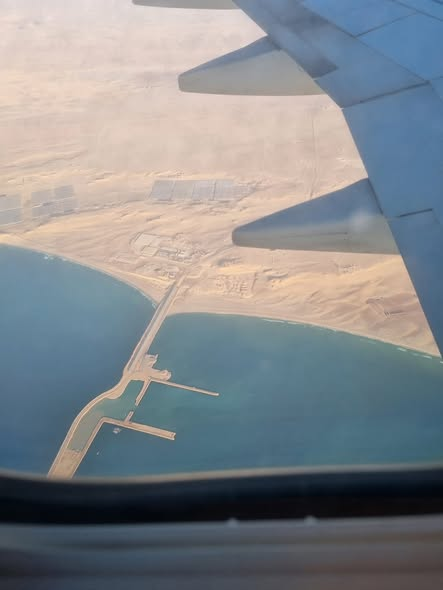
Why Quiet European Capital is Aggressively Deploying in Dakhla
Why is quiet European capital aggressively moving to a remote desert peninsula in the deep south of Morocco? Learn about the $1.2B deep-water port, raw titled land vs. finished properties, and why PK40 corridor deals never hit public websites.
Read Article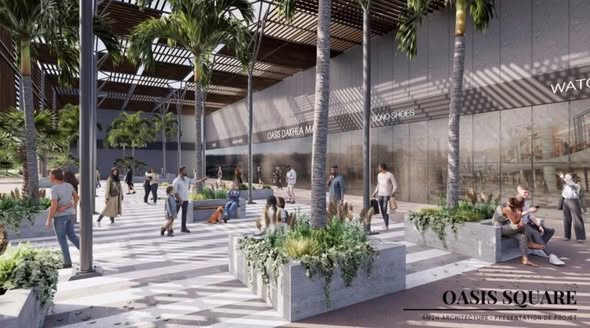
Dakhla Launches Oasis Square: A New Benchmark for Commercial Real Estate
Discover the launch of Oasis Square, Dakhla's brand-new commercial lifestyle center, and explore how modern open-air retail spaces drive residential real estate values.
Read Article